Discover how College Highway Auto in Granby CT saved a customer over $9,000 by properly diagnosing and repairing check engine light and timing codes. Expert VVT solenoid replacement and ECU updates in Hartford County.
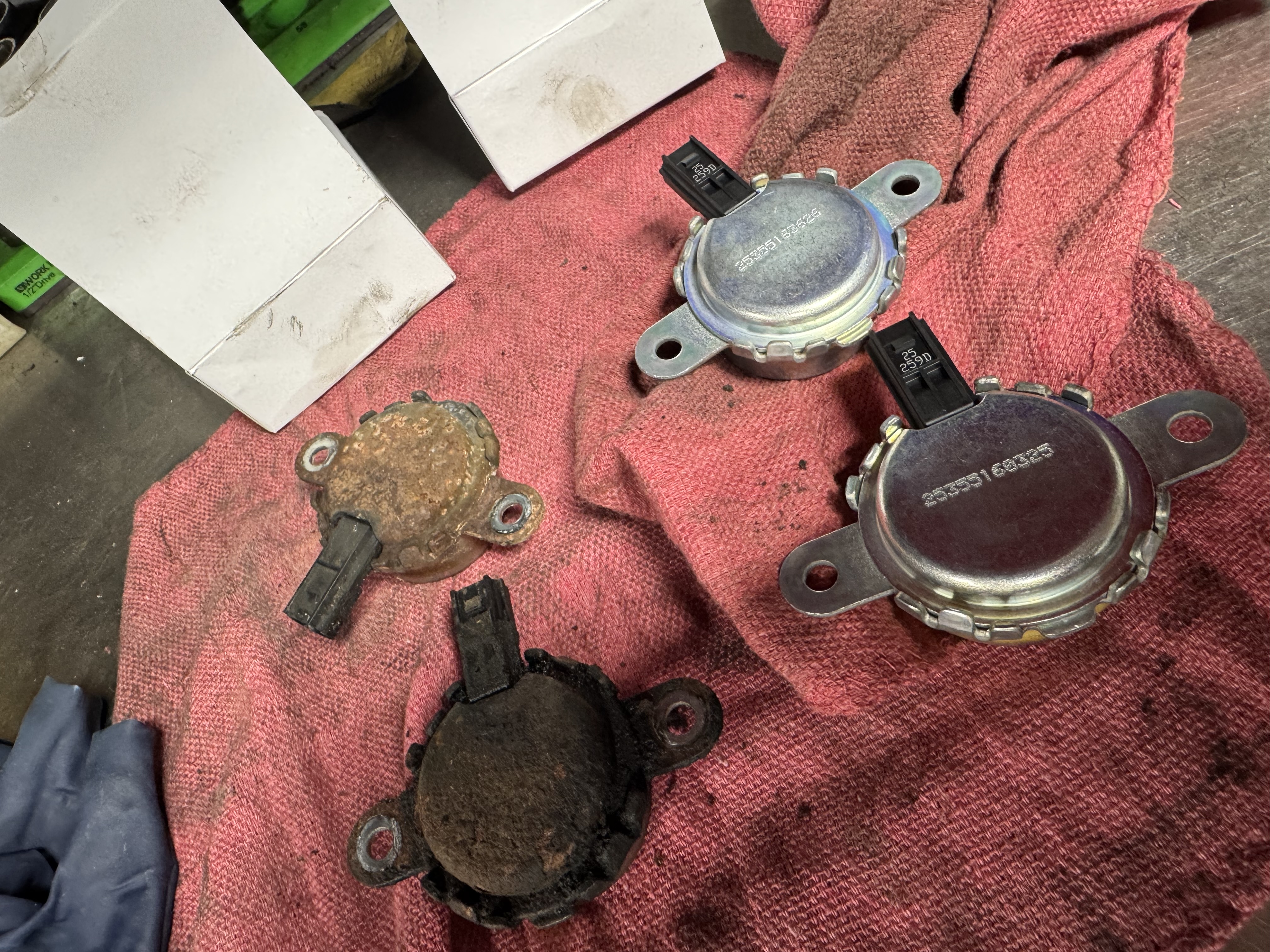
When a vehicle’s check engine light comes on, it can trigger worry and confusion for many drivers—especially when the dealership offers an overwhelmingly expensive repair quote. A recent customer brought their car to College Highway Auto after the dealer in Hartford County quoted them over $9,000 to repair their check engine light and timing-related codes. The dealer recommended replacing nearly every part of the variable valve timing system as a catch-all solution. Thankfully, our experienced technicians took a methodical approach on this vehicle, using advanced diagnostics and years of specialized knowledge to pinpoint the true cause. With focused repairs including the replacement of just two variable valve timing (VVT) solenoids and an important ECU software update, we resolved the check engine light issue and improved drivability for under $400.
This story highlights why it’s critical for Granby and surrounding town drivers—whether from Simsbury, East Granby, Suffield, or Windsor Locks—to trust experienced automotive professionals who prioritize accurate diagnosis over costly, unnecessary part replacement. In this article, we’ll walk through the complete symptoms, diagnostic process, recommended repairs, and explain why the dealer’s approach was not only expensive but missed key technical aspects that could have resolved the problem much more efficiently. Whether you have a check engine light, timing codes, or idling issues in your vehicle, understanding the real cause can save you thousands and keep your car running smoothly.
Most customers notice something’s wrong when their vehicle’s check engine light illuminates—especially following a drive or during idling. This particular vehicle exhibited a persistent check engine light along with drivability complaints, including rough idling and occasional hesitation on acceleration. The codes retrieved from the onboard diagnostics system pointed toward the variable valve timing (VVT) system, which is responsible for adjusting the timing of the intake and exhaust valves for optimized engine performance and efficiency.
Symptoms customers often report when VVT components begin to fail or misbehave include irregular engine idle speed, reduced fuel economy, engine misfires, or even stalling. Unfortunately, the dealership's response was to recommend an extensive replacement of the entire variable valve timing assembly, which is a costly and often unnecessary approach. In reality, the check engine light’s presence combined with timing codes doesn’t always signal complete system failure.
At College Highway Auto, we recognized the importance of gathering a comprehensive symptom history from the customer, including when the light appeared, driving conditions when symptoms worsened, recent maintenance, and fuel quality. We also noted the vehicle had an ongoing idling issue that had been present since new—a fact the dealer dismissed as 'normal.' This idling instability can sometimes mask the underlying software or minor component issues, making diagnosis tricky without specialist equipment and expertise.
Our goal was to clarify which symptoms were caused by defective hardware and which were software-related or non-critical warnings, enabling an effective and economical repair. By differentiating intermittent malfunction codes from true failures and correlating those with vehicle behavior and ECU data logs, we formed a clear picture of the vehicle’s true condition before recommending any parts replacement. This attentive approach avoids unnecessary expenses for Granby and Hartford County drivers and leads to longer-term satisfaction and reliability.
Proper diagnosis of check engine light and timing-related codes is critical to accurate repair and avoiding costly, unnecessary work. At College Highway Auto, we follow a structured diagnostic approach that includes the following detailed steps:
1. Retrieve and Analyze Codes: Using advanced OBD-II scanners, we pulled all stored and pending codes from the engine control module (ECM). This included specific codes related to the variable valve timing system solenoids and timing inconsistencies.
2. Visual Inspection: We carefully inspected the VVT solenoids and associated wiring harnesses for signs of oil contamination, corrosion, or mechanical damage that could cause intermittent faults. Wiring integrity is vital for correct VVT operation.
3. Functional Testing of Solenoids: Using a multimeter and specialized test equipment, we tested both VVT solenoids for proper electrical resistance and operation. Unlike guesswork, these tests verify if the solenoids mechanically engage and respond per manufacturer specifications.
4. ECU Software Verification: With access to manufacturer software updates, we checked the ECU version installed in the vehicle. It was notable that an update addressing known idling and VVT control improvements was available but not installed. This update could resolve anomalies the dealer labeled as 'normal.'
5. Performance Data Logging: To correlate diagnostic codes with real-world operation, we recorded live data under varying engine loads and RPMs. Logging parameters such as camshaft position sensors, solenoid activation signals, and engine idle speed allowed us to identify compliance issues in VVT performance.
6. Oil Condition and Quality Assessment: Because VVT solenoids and timing components rely on clean engine oil, we evaluated the oil quality and replaced it if extended intervals or contamination were suspected. Poor oil can cause solenoid sticking or delayed response.
7. Consult Technical Service Bulletins (TSBs): We reviewed manufacturer TSBs relevant to this engine and VVT issues to ensure we incorporated any recommended fixes or updates, including software and mechanical repairs.
This comprehensive diagnosis showed that only two VVT solenoids required replacement. The ECU software update available directly addressed erratic idling and timing code triggers. The other variable valve timing components were operating within specifications, and wiring was intact.
By following these steps, we avoided replacing unnecessary parts, cutting the repair estimate dramatically compared to the dealership. Our approach emphasizes the importance of thorough electronic and mechanical diagnosis before authorizing expensive repairs, particularly in areas like Granby, Simsbury, East Granby, or Suffield where extra confidence and value from an expert shop matter.
After confirming the diagnosis, we proceeded with the targeted repairs and verification needed to restore this vehicle’s performance and extinguish the check engine light:
1. Replacement of Two VVT Solenoids: We ordered and installed OEM-quality variable valve timing solenoids for the intake or exhaust sides (depending on the exact fault codes). These solenoids are small electromechanical valves responsible for controlling oil flow to adjust camshaft timing. Careful removal involved loosening the timing cover and electrical connectors, ensuring no contamination or damage to surrounding parts.
2. Engine Oil and Filter Change: To prevent future solenoid sticking and to maintain system integrity, we completed a full synthetic 5W-30 oil change complying with the manufacturer’s recommended 3,000-mile interval. The fresh oil ensures that solenoid operation is smooth and that VVT system lubrication is optimal.
3. Installation of ECU Software Update: Using manufacturer diagnostic software, we reprogrammed the vehicle’s ECU to the latest calibration version. This software patch addresses known idling irregularities and improves the ECU’s management of VVT solenoid activation timing, reducing false or intermittent fault codes.
4. Post-Repair Verification: After repairs, we cleared all fault codes and test drove the vehicle extensively through Granby and neighboring towns, replicating previous driving conditions. Live data monitoring confirmed correct operation of VVT solenoids, stable idle speed, and no reappearance of timing fault codes.
5. Final Inspection: We rechecked all connections, fluid levels, and component security, ensuring no root cause was overlooked. Customer feedback during test drive also showed improved drivability and absence of prior symptoms.
This repair process restored the vehicle to OEM performance at a fraction of the dealer’s quoted cost. Importantly, the repair prevented unnecessary replacement of complex timing components which were still functioning correctly.
For Car Owners in Hartford County, Simsbury, East Granby, Suffield, and Windsor Locks, this illustrates why professional shops like College Highway Auto emphasize detailed diagnostic and repair methods. Our carefully measured approach guarantees that repairs are both cost-effective and reliable, avoiding down-the-road failures due to misdiagnosis or rushed repairs.
Understanding why accurate diagnosis and targeted repairs matter can save drivers significant time, money, and frustration—especially when faced with costly dealership estimates.
Variable valve timing systems are complex, involving interconnected electro-hydraulic solenoids, sensors, actuators, and ECU control software. When the check engine light illuminates with timing-related fault codes, it’s natural to worry about major engine damage or the need to replace expensive mechanical components. However, many problems can stem from minor faults such as stuck solenoids or outdated ECU software calibrations. Simply dumping thousands of dollars into comprehensive timing system overhauls is often unnecessary and could even expose the vehicle to further harm if repairs are done prematurely.
For vehicles from Granby CT, Hartford County, and surrounding towns like Simsbury or Suffield, trusting a capable independent repair facility like College Highway Auto means you receive a custom-tailored, transparent diagnostic process. This approach:
- Prevents unnecessary replacement of functioning parts - Addresses underlying software issues ignored by some dealers - Restores vehicle reliability and drivability quickly - Reduces repair costs by thousands - Helps maintain resale value through proper documentation - Supports long-term engine health with recommended maintenance practices
Additionally, routine maintenance like frequent high-quality oil changes is essential to prolong the life of VVT components. In fact, extended oil change intervals can cause solenoid performance degradation or eventual failure. Sustainability of repairs hinges on educating car owners about these factors to avoid recurring issues.
Ultimately, the difference between throwing parts at a problem versus solving it correctly is the expertise and care of the technician. College Highway Auto’s mission is to inform and protect the drivers of Granby, East Granby, Windsor Locks, and Hartford County with dependable, honest, and affordable solutions.
Check engine light codes related to variable valve timing typically result from faulty VVT solenoids, wiring issues, sensor malfunctions, or outdated ECU software managing the timing system. Dirty or degraded engine oil can also cause solenoids to stick, triggering error codes.
Dealers sometimes recommend replacing entire assemblies to cover all potential causes and avoid repeated visits. This catch-all approach can be expensive and unnecessary if proper diagnostics are not completed beforehand.
Proper diagnosis involves retrieving fault codes, visual inspections, electrical tests of solenoids and wiring, checking ECU software versions, and analyzing live sensor data. This helps isolate the exact failed components and rules out unrelated parts.
Yes. Manufacturers periodically release ECU software updates that address known control system quirks, including timing and idling irregularities. Installing these updates can prevent false or intermittent error codes and improve engine performance.
At College Highway Auto, replacement of two VVT solenoids plus the ECU software update typically costs under $400, considerably less than replacing the entire system as some dealers recommend.
VVT solenoids control timing using engine oil pressure and flow. Dirty or old oil can cause solenoids to stick or fail prematurely. We recommend using synthetic 5W-30 oil and adhering to 3,000-mile oil change intervals for optimal component life.
Yes, prolonged driving with unresolved timing faults can lead to poor engine performance, increased emissions, and in extreme cases, mechanical damage. Prompt and accurate diagnostics are crucial to prevent these outcomes.
Absolutely. We serve customers across Hartford County including Simsbury, East Granby, Suffield, and Windsor Locks, providing expert diagnostics and cost-effective repairs for check engine and timing system issues.
Seek a second opinion from an experienced independent shop like College Highway Auto. A thorough diagnostic approach often reveals the true, often less expensive, cause of the problem.
Regular oil changes every 3,000 miles using full synthetic 5W-30 oil are essential. Following manufacturer-recommended maintenance schedules and software updates will help your VVT system continue functioning optimally.