Direct-injected engine running rough? We borescope, diagnose, and walnut blast intake valves for GM and all DI makes. Serving Granby CT and Hartford County.
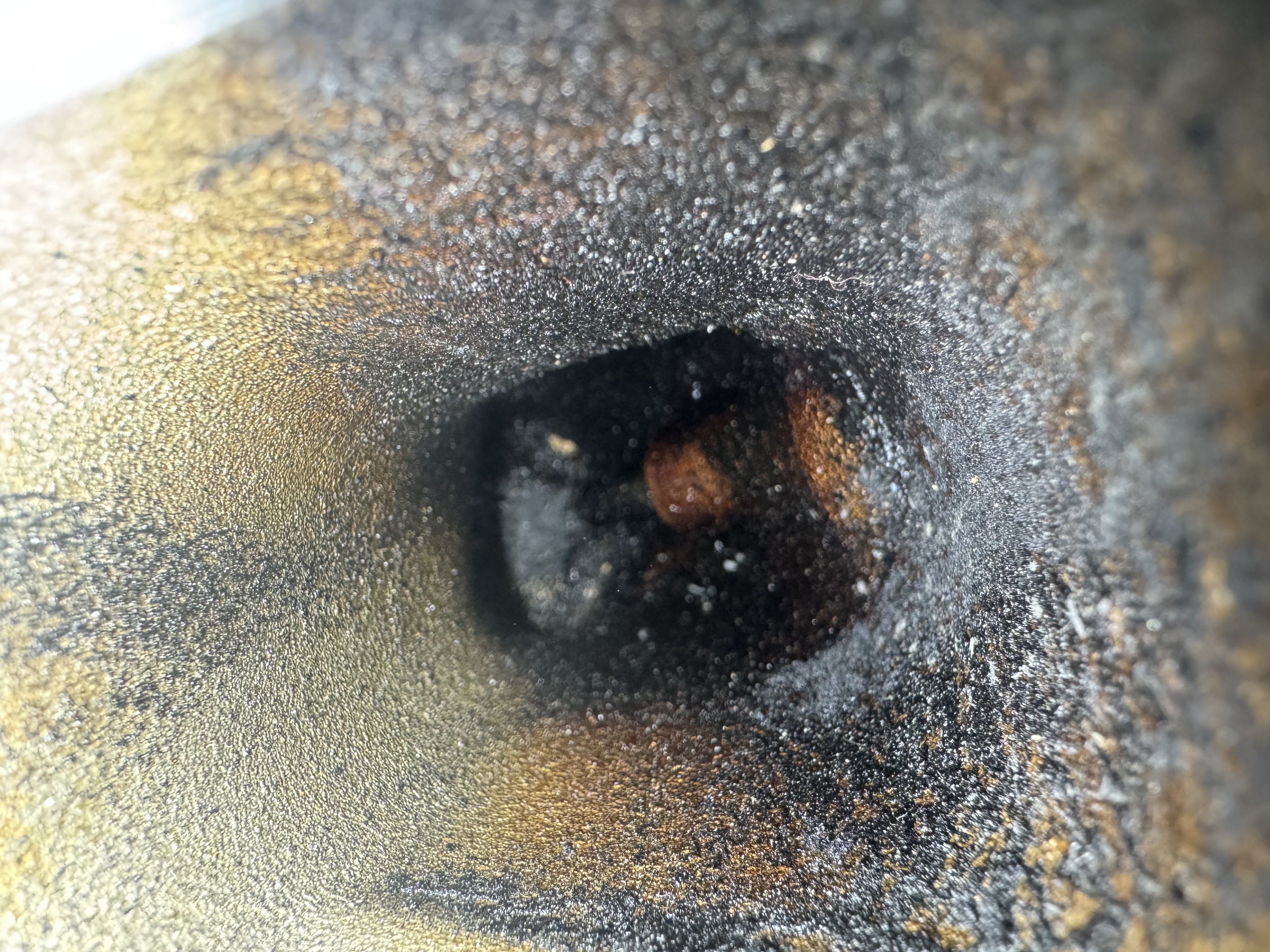
Here are some before-and-after shots from a recent intake valve cleaning on a GM direct-injected engine. The difference is dramatic because direct-injection (DI) engines don’t have gasoline spraying over the back of the intake valves to wash away oil vapor and soot. Over time, carbon sticks to the valve stems and ports, choking airflow and upsetting air-fuel balance. The result can be rough idle, random misfires, sluggish acceleration, and cold-start stumbles. In severe cases, heavy deposits can hold a valve slightly open and lead to a no-compression misfire that mimics a bigger mechanical problem.
At College Highway Auto in Granby, CT, we diagnose the cause before we clean. If testing confirms intake valve carbon is the problem, we perform a thorough intake-off cleaning—typically walnut shell blasting combined with careful hand-cleaning—to restore airflow and drivability. While this example is a GM, every manufacturer that uses direct injection is affected—Ford EcoBoost, GM, BMW, VW/Audi, Hyundai/Kia, Honda, Subaru DIT, and more. Most DI engines benefit from intake valve servicing every 30–50k miles depending on driving style, oil control, and PCV system health.
Common signs your direct-injected intake valves need attention:
- Rough idle or shaking at stoplights, worse when cold - Intermittent or cylinder-specific misfires (P030X codes) - Hesitation on tip-in, flat spots under load, or reduced power - Poor fuel economy despite normal tire pressures and maintenance - Cold-start stumble and extended crank time - Higher long-term fuel trims (lean condition) at idle with normal trims at cruise - Audible intake “hiss” or whoosh while the engine struggles to idle - A history of short-trip driving, oil consumption, or extended oil change intervals
None of these guarantee carbon buildup, but taken together—especially with a DI engine—they raise suspicion. We confirm with testing before recommending repairs.
How we confirm DI valve carbon is the real issue:
1) Interview and road test - We listen for when symptoms show up: cold vs hot, idle vs load, A/C on vs off. A short road test helps us reproduce the complaint and note patterns in fuel trims and misfire counts.
2) Scan tool data review - We watch live misfire counters, short- and long-term fuel trims, MAF readings, O2/AFR behavior, and cold-start data. Elevated misfires at idle that clear up with RPM often point to airflow disruption from carbon at the valves.
3) Basic mechanical checks - Verify good spark and coil operation, inspect plugs (oil or fuel fouling clues), and check for intake leaks with smoke testing. A quick relative compression test rules out a mechanical miss.
4) Borescope inspection - With the intake ducting removed and the throttle opened, we borescope through the intake ports to visually inspect the back of the valves. On DI engines with buildup, we see thick, rough, often shiny-black deposits on the valve heads and stems. Photos document the condition on each cylinder.
5) Contributing factors assessment - We evaluate PCV function, oil condition, and if applicable, EGR strategies that can accelerate deposit formation. Short trips, excessive idle time, and extended oil intervals tend to make it worse.
Only after we see evidence of restriction or coking do we recommend an intake-off cleaning. If the borescope looks good or the data points elsewhere, we chase that root cause first.
Our intake valve cleaning process for DI engines:
- Plan and estimate We map the engine layout, determine access to the intake manifold, identify any coolant or fuel lines that must be disconnected, and confirm needed gaskets and parts. Complexity varies by platform.
- Intake removal and prep We safely depressurize the fuel system if needed and remove the intake manifold and related components. We cap and protect open ports to prevent foreign object damage. Cylinder pistons are positioned so the target valves are fully closed during cleaning.
- Primary cleaning: walnut shell blasting Using a specialized blasting wand with a sealing adapter, we direct fine walnut media at the carbon while a high-flow vacuum captures debris. Walnut shells are hard enough to remove deposits but soft enough to avoid damaging aluminum ports or valve faces. This is the most effective and repeatable method for heavy buildup.
- Secondary cleaning: solvent and hand tools We apply DI-safe carbon solvents to soften stubborn deposits and gently scrape with plastic or brass picks where needed. Each cylinder is inspected with a light and scope to ensure the valve margins and stems are clean and the ports are smooth.
- Gaskets, reassembly, and verification New intake manifold gaskets and throttle body gaskets are installed. We clean the throttle, check the PCV circuit, and verify hoses and clamps. After reassembly, we clear learned misfire counters where appropriate, perform a controlled cold start, and verify fuel trims, idle quality, and misfire counts. A road test confirms restored drivability under load.
- Maintenance guidance We review oil change practices and PCV health, and discuss driving habits to slow future buildup. College Highway Auto generally recommends full synthetic 5W-30 and 3,000-mile oil change intervals for cleaner operation on these engines—especially important on DI platforms where oil vapor can feed deposits. We may also discuss OEM updates or revised PCV components where applicable.
Typical service interval Most DI engines benefit from inspection around 30–50k miles. Light drivers and well-maintained engines may stretch longer; hard use, many short trips, or oil consumption can require shorter intervals. We do not set a schedule without evidence—our borescope sets the course.
Time and cost Time varies by make/model and engine bay packaging. Many jobs are a same-day service; more complex layouts can require additional time. We’ll provide a written estimate after inspection so there are no surprises.
A note on alternatives - Pour-in fuel additives cannot reach DI intake valves because the fuel is injected directly into the cylinder, not over the valves. They may help injectors but won’t clean the valve backs. - Chemical “top engine” services with the intake on may improve mild buildup but are often insufficient for heavy deposits. For significant restriction and misfires, intake-off cleaning and walnut blasting remain the gold standard.
We don’t overpromise. If we find burnt valves, compression issues, or other faults during diagnostics, we’ll explain options and next steps before any repair.
Clean intake valves restore the engine’s ability to breathe at low airflow—where small restrictions have the biggest impact. Benefits you’ll notice include:
- Smoother idle with fewer or no misfires - Crisper throttle response and improved drivability - More consistent fuel trims and better fuel economy - Reduced cold-start stumble and less carbon odor - Less stress on the catalytic converter from raw-fuel misfires
Left unchecked, buildup can snowball. Severe coking can keep valves from seating fully, reduce compression, and cause persistent misfires that can damage the converter or trigger limp strategies. Regular inspection and timely cleaning help you avoid big-ticket repairs and keep your DI engine happy for the long haul in Granby’s four-season climate.
In port-injected engines, gasoline sprays over the intake valves, washing away oil vapor and soot. Direct-injected (DI) engines inject fuel straight into the cylinder, so the valve backs never get washed. PCV vapors and EGR particulates bake onto the hot valves, forming carbon that restricts airflow and upsets idle quality.
We recommend an inspection around 30–50k miles. Interval depends on driving habits, oil control, PCV health, and engine design. Short trips, extended idling, and oil consumption accelerate buildup. We base our recommendation on borescope findings, not a one-size schedule.
Common signs include rough idle, cylinder-specific misfires (P030X), cold-start stumble, reduced power, flat spots on acceleration, and lean fuel trims at idle that normalize with RPM. Severe cases can lose compression if a valve can’t fully seat.
No. Pour-in fuel additives travel with fuel through the injectors and into the cylinders. They can help injector tips but cannot reach the backs of intake valves on DI engines. For significant buildup, intake-off cleaning—typically walnut blasting—is the proven method.
Walnut blasting uses fine crushed walnut shells propelled by air to remove carbon while a high-flow vacuum captures debris. Walnut media is hard enough to clean carbon yet soft enough to avoid damaging aluminum ports or valve faces. With the valves closed and ports sealed, it’s a safe, OEM-endorsed approach on many platforms.
Most vehicles can be diagnosed and cleaned the same day. Time varies with engine layout and access. We inspect with a borescope first and provide a written estimate based on your vehicle’s design and the severity of buildup.
You can slow it down. Keep the PCV system healthy, avoid extended idling and constant short trips when possible, and use quality oil. At College Highway Auto we recommend full synthetic 5W-30 and 3,000-mile oil changes for cleaner operation on DI engines. Periodic borescope inspections help catch issues early.
If misfires are caused by airflow restriction from valve carbon, cleaning typically resolves them and restores smooth idle. However, misfires can also come from ignition, fuel, vacuum leaks, or mechanical faults. We confirm the root cause first so you’re not paying for the wrong repair.
No. Our photos show a GM example, but all direct-injected makes can develop intake valve carbon—Ford EcoBoost, VW/Audi, BMW, Hyundai/Kia, Honda, Subaru DIT, and more. The cleaning process is similar across platforms; access and time vary.
Well-designed catch cans can reduce oil vapor entering the intake on some engines, and OEM PCV or calibration updates can help too. Results vary by platform. We’ll review known bulletins for your vehicle and discuss options after inspection.