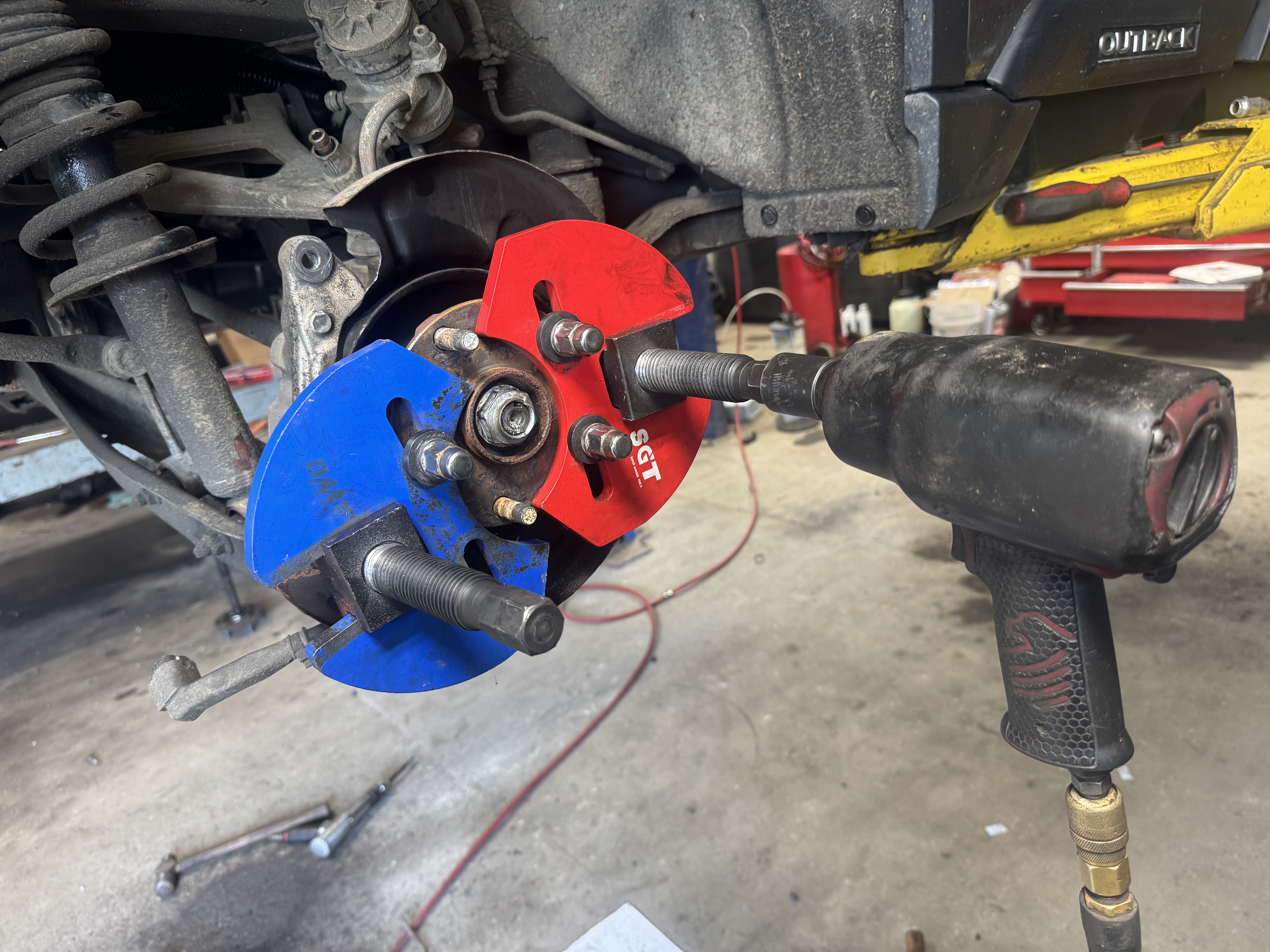
Expert diagnosis and repair for rusted, stuck rear hubs and wheel bearing replacement on a 2021 Subaru Outback in Granby CT. Learn why rust can occur despite low mileage and how undercoating might help.
At College Highway Auto in Granby CT, we recently encountered a surprising issue with a 2021 Subaru Outback that came into our shop for rear wheel bearing replacement after just 65,000 miles. Typically, Subarus build high-quality hubs designed to last well beyond this mileage. However, this particular vehicle showed extensive rust on both rear wheel hubs, causing them to seize tightly and complicating the repair. As a trusted auto repair shop serving Granby, Hartford County, and nearby towns like Simsbury, East Granby, Suffield, and Windsor Locks, we pride ourselves on thorough, precise diagnoses and quality repairs. In this article, we’ll walk through the symptoms that led to the discovery of rusted stuck rear hubs, detail the step-by-step diagnostic process, share the technical repair work required to free the hubs and replace the wheel bearings and backing plates, and discuss the role of rust protection such as undercoating. We’ll also help Subaru owners understand why rust can develop so quickly even with low miles and what can be done to protect wheel assembly components from corrosion going forward. Whether you have a similar Subaru Outback or are curious about this repair category in Granby, this detailed guide offers insight from experienced mechanics in an approachable, educational style.
Owners of the 2021 Subaru Outback generally enjoy smooth, quiet performance and reliable handling. However, when rear wheel bearings begin to wear out, it can cause noticeable symptoms that warrant immediate inspection. In this particular case, the driver reported a persistent humming noise coming from the rear wheels, especially noticeable at highway speeds. This humming gradually worsened over weeks and was accompanied by slight vibration through the chassis and a mild pulling sensation when braking. Additionally, the brake pedal seemed to pulsate gently—signs often associated with wheel bearing degradation or rotor issues.
Given the vehicle’s relatively low mileage of 65,000, such symptoms were unexpected. Wear patterns on these wheel bearings typically occur much later in the vehicle’s life span, which raised questions about possible contributing factors influencing premature deterioration. The driver also noted struggling with a slightly sticky rear brake feel and marginally higher fuel consumption, pointing toward increased drag in the rear assembly.
Upon initial inspection, the team observed uneven rotor wear and surface oxidation on the backing plates, but the most striking aspect was the degree of rust built up on the rear hub assemblies. The hubs appeared to be seized to the axle shafts, making removal for bearing replacement far more challenging than usual. This kind of rust is uncommon in vehicles with such modest mileage, especially those maintained with routine servicing and typical environmental exposure.
Common causes of rust buildup in wheel hubs include exposure to road salt, prolonged moisture accumulation, and lack of protective coatings on metal components. The rear hubs on this Subaru Outback displayed heavy surface rust and corrosion pitting, extending into the areas surrounding the wheel bearings and backing plates. This rust likely contributed to the bearing wear by restricting proper rotation and increasing heat generation during vehicle operation.
Addressing these symptoms effectively requires a careful blend of diagnostic testing and hands-on mechanical expertise. Diagnosing not only the bearings but also the condition of the hub surfaces and surrounding components is critical to ensuring a long-lasting repair. In the next section, we’ll explain how we methodically uncovered the root causes of this problem and prepared for the necessary repairs.
Diagnosing rusted and stuck rear hubs on a modern vehicle like the 2021 Subaru Outback demands a systematic and thorough approach, especially when the symptoms are unexpected due to relatively low mileage. At College Highway Auto, our skilled technicians follow a multi-step diagnostic process to confirm the full extent of damage and determine the appropriate repair path.
1. Visual Inspection and Symptom Confirmation: We begin by lifting the vehicle safely and visually inspecting the rear wheel assemblies. Careful examination confirms surface rust buildup on the hubs and backing plates. Checking for rotor condition, caliper operation, and brake pad wear helps rule out related brake system issues.
2. Wheel Bearing Play and Noise Assessment: Using a pry bar, we check the rear wheels for any vertical or lateral play indicating bearing wear or failure. Spinning the wheels by hand while listening for grinding or roughness provides further evidence.
3. Temperature Scan Following a Test Drive: After a short road test replicating the owner's humming noise complaint, we use infrared sensors to identify any abnormal heat signatures in the hub area. Higher-than-normal temperatures confirm excessive bearing friction.
4. Attempted Hub Removal to Evaluate Rust Impact: As typical wheel bearing replacement requires hub removal, we begin to try separating the hub from the axle shaft. In this case, extreme corrosion restricts movement. Using penetrating oil and gentle light taps helps determine the severity.
5. Radiographic or Magnetic Particle Inspection (Optional): For in-depth internal damage assessment, non-destructive testing can be performed. This is usually reserved for complex hub concerns but can identify cracks or deeper corrosion beneath the surface.
6. Evaluation of Backing Plates and Associated Components: Since the backing plates are adjacent to the hubs and affected by similar environmental exposure, we inspect for deformation, rust-through, and weakened mounting points.
7. Correlate Findings with Vehicle History and Environment: Researching the vehicle’s maintenance record and geographic service history helps understand exposure to salt, winter conditions, and undercarriage treatments.
At College Highway Auto, our technicians noted that despite just 65,000 miles, the Subaru’s rear hubs showed rust that was aggressive enough to necessitate special removal tools and techniques. The corrosion adhered strongly, risking damage to the hub flanges and axle threads if improperly removed. Further, the backing plates showed significant surface rust requiring replacement to restore proper support and protection.
This comprehensive diagnosis allows us to not only confirm bearing failure but also reveal the contributing factor of corrosion at fault for the difficulties encountered. It also clarifies why typical wheel bearing replacement steps would be inefficient or risky here without additional measures. The next section will discuss the exact repair process we used, selection of parts, and verification methods to ensure a successful outcome for this Subaru Outback.
Repairing rusted and stuck rear hubs on this 2021 Subaru Outback presented several challenges requiring specialized tools, patience, and precision from our College Highway Auto technicians. The goal was to safely remove and replace both rear wheel bearings, free rusted hubs, and install new backing plates to prevent future problems.
1. Vehicle Preparation and Safety: We began by securely lifting and supporting the vehicle in our Granby CT shop bay, ensuring complete access to the rear suspension and brake components.
2. Brake Components Removal: The rear calipers, rotors, and related hardware were carefully removed and set aside. This allowed full visibility and access to the wheel hubs and backing plates.
3. Penetrating Agent Application: To combat the extensive rust that had seized the hubs, multiple applications of high-quality penetrating oil were administered. The chemicals were allowed to soak overnight to maximize loosening of the corrosion bonds.
4. Use of Specialized Hub Removal Tools: Unlike standard hub removal, this Outback’s hubs required two separate removal tools—a hub puller and a bearing separator—to incrementally and gently force the hubs off the axle shafts without damaging the splines or seal surfaces. This slow, stepwise approach avoided cracking or warping critical parts.
5. Backing Plate Removal and Replacement: The rusted backing plates that had deteriorated beyond serviceability were unbolted and replaced with OEM-quality parts. Ensuring the new backing plates fit securely was essential to maintain proper wheel bearing alignment and braking system shield.
6. Thorough Cleaning and Inspection: After hub removal, all mating surfaces were meticulously cleaned of rust and corrosion deposits. Brake lines, parking brake cables, and suspension components were inspected for rust or wear damage and replaced as needed.
7. Installation of New Wheel Bearings: The new wheel bearings were pressed in with precision equipment to factory specifications. Ensuring the bearings seated fully and evenly prevents premature failure and noise.
8. Hub and Rotor Reassembly: The hubs were reinstalled carefully, ensuring no binding or misalignment, followed by rotors, calipers, and hardware. New wheel lug nuts were torqued to Subaru specifications.
9. Brake System Bleeding and Testing: Parking brake adjustment and caliper bleeding were performed to restore braking performance.
10. Road Test and Heat Check: A post-repair test drive in Granby and surrounding Hartford County towns confirmed elimination of noise, smooth wheel rotation, and no abnormal heat buildup.
This detailed repair process highlights the skill and care needed to overcome severe rust and corrosion on otherwise low-mileage vehicles. Our team’s experience with Subaru rear hub designs and corrosion challenges ensured minimal risk of damage and long-term reliability for the customer. In the next section, we’ll discuss why addressing these issues thoroughly matters for vehicle safety and component longevity.
Rusted and stuck rear hubs on vehicles like the 2021 Subaru Outback can lead to significant safety and reliability issues if not properly diagnosed and repaired. Wheel bearings and hub assemblies are critical to smooth, safe wheel rotation and secure attachment to the axle; when corrosion causes these components to seize or wear prematurely, the consequences can extend beyond mere noise and discomfort.
Firstly, rust and corrosion compromise the structural integrity of hubs and backing plates. The backing plates act as protective shields against road debris and help deflect heat and dirt from the brake components. Rust weakened backing plates can fail to perform this function, exposing brake hardware to damage and accelerating wear. Similarly, hub corrosion can distort tolerances, causing uneven bearing loading, elevated friction, and premature failure.
Secondly, stuck hubs increase the risk of catastrophic failure. If a hub binds, it may suddenly release or seize, destabilizing the wheel and leading to a loss of vehicle control—a dangerous scenario particularly at highway speeds. For Subaru owners in Granby, Hartford County, and nearby areas such as Simsbury and Suffield, where winter road salt exposure is a real concern, rust prevention and early treatment are vital.
From a maintenance standpoint, rust also makes future servicing more complex, increasing labor time and costs. In this case, extra removal tools and replacement of backing plates were necessary, highlighting how corrosion transforms otherwise straightforward repairs into intricate overhauls.
Finally, from a financial perspective, addressing these issues early by replacing worn bearings and treating corrosion can prevent more expensive damage to drive axles, brake systems, and suspension parts. This helps retain vehicle resale value and ensures safe and economical operation over the long term.
At College Highway Auto, we recommend considering rust prevention measures such as professional undercoating treatments—especially in regions prone to road salt and moisture—to shield vulnerable suspension and wheel components. While undercoating cannot completely eliminate rust risk, it forms a protective layer that slows corrosion development and helps keep assemblies easier to service.
In conclusion, proactively diagnosing and repairing rust-related wheel hub problems matters not only for restoring proper function but also for safeguarding vehicle safety, reducing repair complexity, and extending component lifespans. Subaru drivers in our service region should stay vigilant for early signs of rust and bearing problems and seek expert attention promptly to avoid avoidable headaches on the road.
Even with moderate mileage, exposure to road salt, moisture, and lack of protective coatings can cause accelerated rust on metal components like wheel hubs. In regions like Granby CT and Hartford County, winter salt treatment on roads increases corrosion risk, especially if undercoating or rust protection isn’t applied.
Common symptoms include humming or grinding noises from the rear wheels, vibrations felt through the chassis, a pulling sensation during braking, and heat buildup in the hub assembly. Rust can cause bearings to seize or wear unevenly, leading to these issues.
Professional undercoating provides a protective barrier against moisture, salt, and debris, slowing the development of rust on vulnerable areas like wheel hubs and backing plates. While it doesn’t guarantee complete prevention, it significantly reduces corrosion risk, especially in harsh climates.
Backing plates can suffer corrosion over time, especially near the brakes and hubs. Severe rust can weaken their structure and affect brake component protection. If rust compromises their integrity, replacement with OEM parts is recommended during repairs.
Removing rusty hubs often requires hub pullers, bearing separators, penetrating oil, and sometimes heat applications. These tools help safely separate hubs from axle shafts without causing damage to splines or seals.
Signs include a persistent humming or grinding noise from the rear wheels, noticeable play when rocking the wheels, uneven tire wear, brake pulsation, and increased drag or heat in the hub area after driving.
Yes. Rust can weaken hub and backing plate components, cause bearing failure, and increase the risk of sudden binding or seizure. This compromises wheel stability, braking efficiency, and overall vehicle safety.
If you notice symptoms like noise, vibration, or braking issues, it’s best to have your vehicle inspected promptly. Driving with compromised rear hubs and bearings can increase safety risks and cause further damage, leading to more costly repairs.
Rust coverage depends on the specific warranty terms and whether proper maintenance was followed. Typically, surface rust is considered wear and tear and may not be covered, especially if the vehicle has been exposed to harsh road conditions without recommended protections.
Routine inspections, cleaning, and application of rust inhibitors or undercoating can help preserve metal components. Addressing rust early and avoiding prolonged exposure to salt and moisture significantly reduces corrosion risk.